Follow Me On Social Media!


Flatbread Recipe: The Best Easy Way to Homemade Goodness

Introduction to Flatbread Recipe
Imagine sinking your teeth into a warm, fresh piece of flatbread, the aroma of baked dough wafting around as you prepare to enjoy it with your favorite dips, toppings, or even as a pizza base. The beauty of a homemade flatbread recipe lies not just in its flavor but also in the experience of making it. Crafting your own flatbread allows you to customize flavors, textures, and even the ingredients based on your mood or dietary needs.
Why Homemade Flatbread is a Game Changer?
Storing a loaf of bread can be convenient, but it often lacks the freshness that homemade goods offer. Homemade flatbread is truly a game changer for several reasons:
-
Quality Control: When you make flatbread at home, you have complete control over the ingredients, ensuring everything is fresh and free from preservatives. This means more nutrients and better flavor!
-
Customization: Love spices? Want to add herbs? You can tweak the flatbread recipe to suit your taste. From garlic-infused to herb-topped, the possibilities are endless. Plus, you can easily make it gluten-free or dairy-free if needed.
-
Freshness Factor: There’s something magical about pulling fresh flatbread from the oven. The scent that fills your kitchen is a reminder of the joy of cooking. Serving warm flatbread to guests elevates any meal and adds a personal touch that store-bought products simply can’t match.
-
Cost-Effectiveness: Making your own flatbread can be surprisingly economical. With just a few basic ingredients like flour, water, and salt, you can whip up a batch without breaking the bank. Furthermore, leftovers are easy to repurpose for a delightful breakfast or snack the next day.
As you dive into making your very own flatbread, you’ll notice that it’s not just about satisfying your cravings—it’s a delightful culinary adventure. The process can be therapeutic, giving you a break from the hustle and bustle of daily life. Plus, once you master this simple flatbread recipe, you’ll find yourself looking for every opportunity to make it a staple in your kitchen!
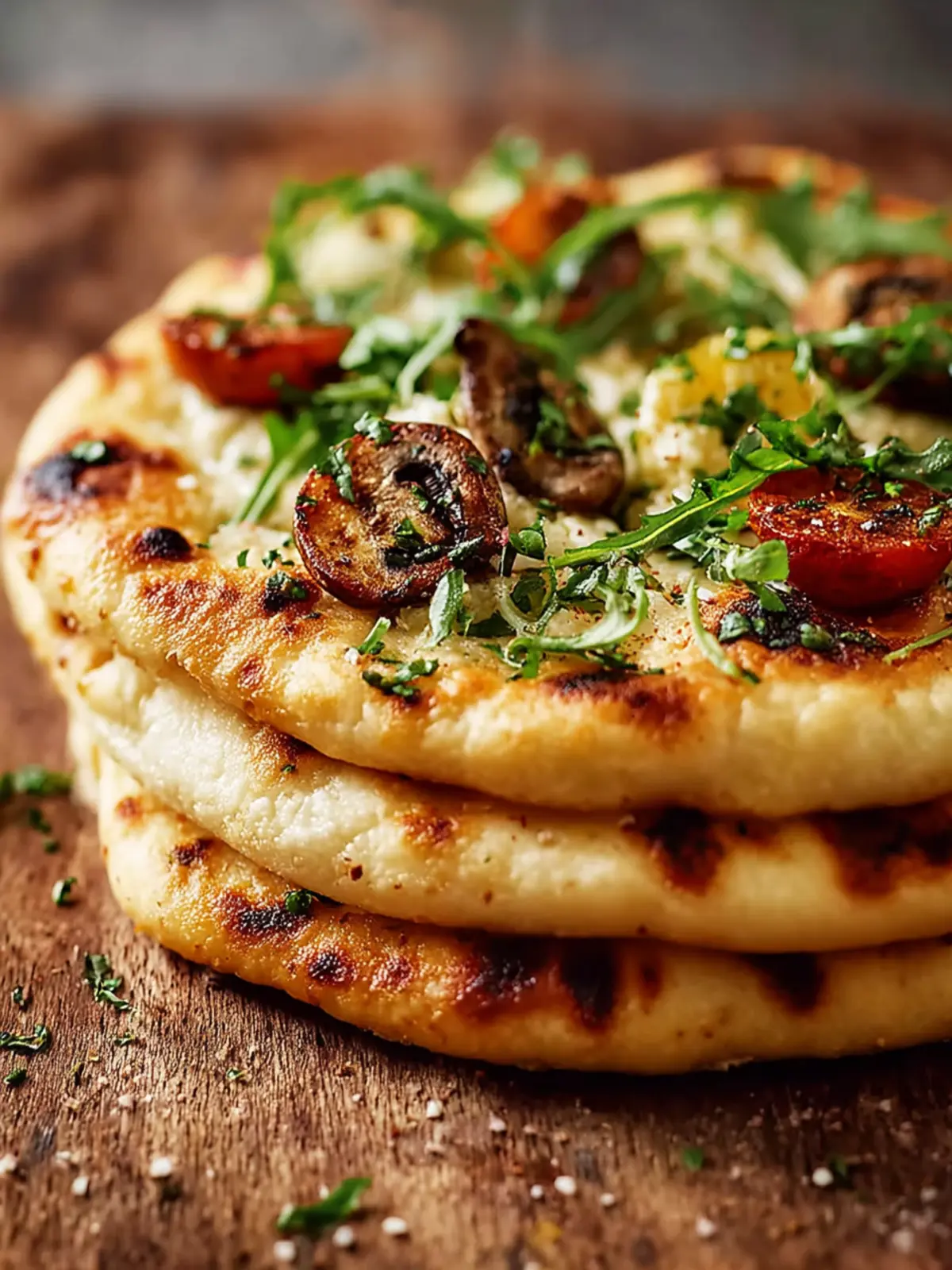
Key Ingredients for Flatbread Recipe
Creating a delicious flatbread is all about selecting the right ingredients that combine to form a warm, pillowy base for your favorite toppings. Here’s a closer look at each essential component:
Lukewarm water: This simple ingredient plays a crucial role in activating yeast, ensuring your flatbread rises to perfection. Aim for a temperature that’s comfortable to touch but not hot.
Active dry yeast: The secret to achieving that fluffy texture lies within this powerhouse. The yeast ferments and produces the gases that make the dough rise, so don’t skip it!
Sugar: Just a touch of sugar does more than sweeten; it also boosts browning, giving your flatbread a beautifully toasted exterior.
Plain yogurt: Adding yogurt not only contributes moisture but infuses a delightful tang that elevates the overall flavor profile.
Olive oil: A splash of olive oil provides richness and keeps the bread moist, making each bite a treat.
Salt: Essential for flavor, salt enhances the overall taste of your flatbread, ensuring every bite is savory and satisfying.
Dried basil and oregano: Freshen up your flatbread with these aromatic herbs. They add depth and a fragrant burst of flavor.
Garlic powder: This ingredient infuses your flatbread with that savory depth we all crave, making it a perfect companion for any meal.
All-purpose flour: Acting as the structural base, all-purpose flour creates the dough’s integrity, allowing it to rise and hold its shape.
Chopped fresh parsley: For visual appeal and a pop of freshness, mix in chopped parsley. It brightens up the dish both in look and flavor.
Olive oil for brushing: A final brush of olive oil adds a shiny finish and enhances the flavor, making your flatbread irresistible.
With these ingredients, you’re well on your way to crafting mouthwatering flatbreads that can be enjoyed on any occasion!
Why You’ll Love This Flatbread Recipe
Creating a delightful flatbread recipe is more than just whipping up dough; it’s about crafting a versatile canvas that can complement any meal. Whether it’s a casual weeknight dinner or a vibrant gathering with friends, this flatbread promises to be the life of the party. Its warm, soft texture is irresistible, providing a delightful experience with every bite.
Perfect for any meal or occasion
Imagine pulling fresh flatbread out of the oven to share with loved ones. This recipe is perfect for:
- Quick lunches: Pair it with fresh salads or dips for a satisfying midday meal.
- Dinner sides: Serve it alongside soups or stews to soak up delicious flavors.
- Snacks or appetizers: Top it with spreads and meats, and you’ve got an instant crowd-pleaser.
Versatile toppings and pairings
What’s great about this flatbread recipe is its flexibility in toppings. You can:
- Go classic: Spread a layer of olive oil and garlic for an aromatic touch.
- Try gourmet: Add figs and prosciutto for a sweet-savory treat.
- Stay simple: A smear of hummus and fresh veggies make for a quick, healthy snack.
Easy to make and customize
Don’t worry about being a seasoned chef; this flatbread recipe is straightforward. You’ll find the ingredients are easy to come by, and the options for customization are nearly endless. Feel free to experiment with herbs, spices, and even different flours based on your cravings. In just a few steps, you’ll have a delectable flatbread that adds joy to any meal!
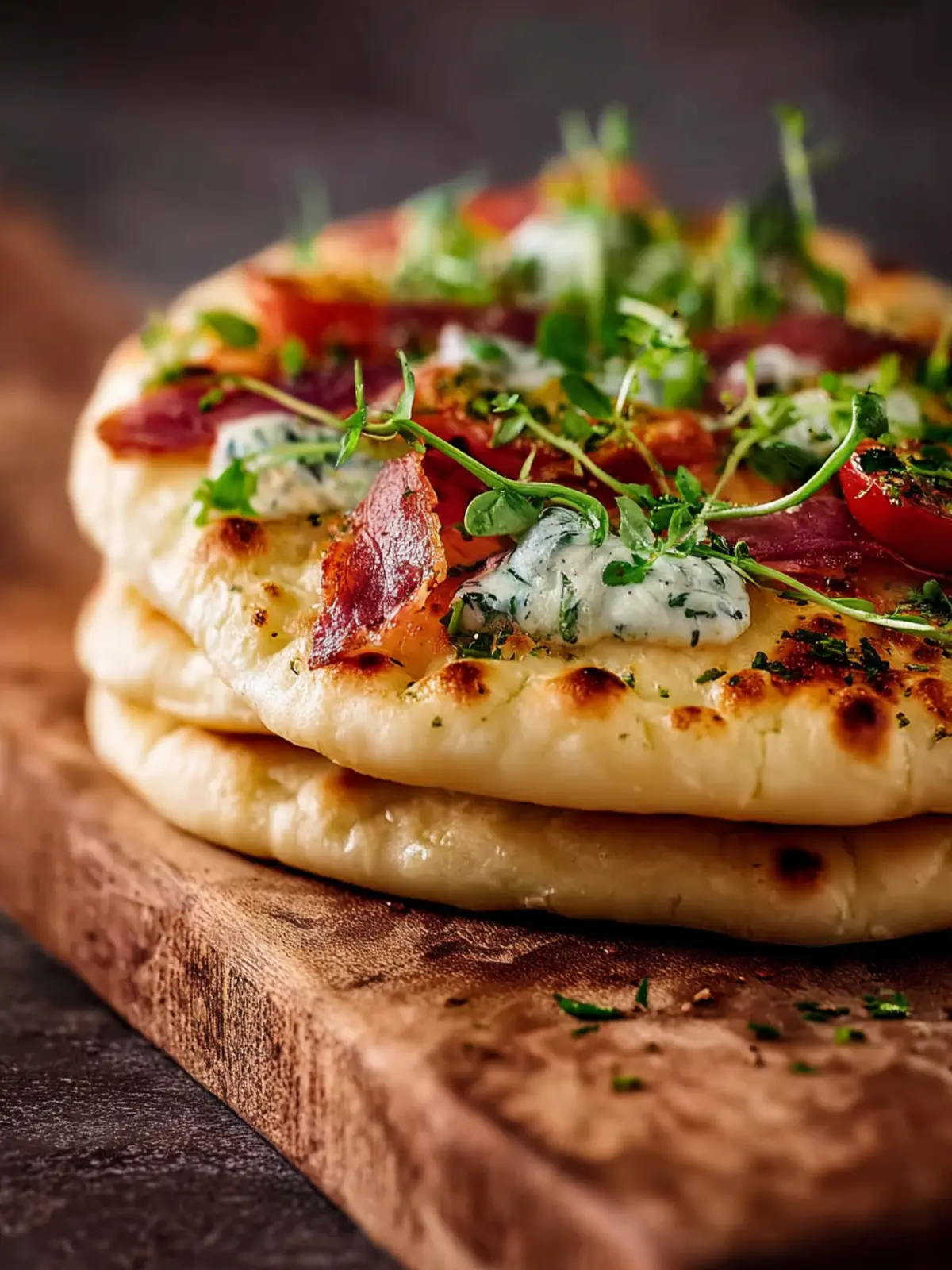
Variations on the Flatbread Recipe
Exploring variations on the flatbread recipe can unleash your culinary creativity, transforming a simple bread into a savory delight tailored to your taste. Let’s dive into some exciting options to make it uniquely yours.
Enhancing Flavor with Fresh Herbs
Incorporating different herbs into your flatbread recipe can elevate its flavor profile significantly. Try adding:
- Rosemary: This earthy herb adds a wonderful aroma and pairs beautifully with olive oil.
- Thyme: Just a sprinkle of thyme can bring a subtly sweet and savory note.
- Oregano: Perfectly complements Mediterranean flavors, especially if you’re planning to top your bread with tomatoes or cheese.
Experimenting with these herbs allows you to create a bread that suits your mood or complements your meal perfectly.
Delicious Add-Ins for Extra Texture
Think about adding a burst of flavor by mixing in ingredients like:
- Feta or Goat Cheese: Crumbling cheese into your flatbread can create a creamy, tangy taste.
- Olives: Chopped olives can deliver a briny kick that enriches each bite, making it more irresistible.
These add-ins not only enhance flavor but also introduce delightful textures, making your flatbreads heartier and more satisfying.
Gluten-Free Alternatives
For those seeking a gluten-free option, consider using alternative flours such as:
- Almond Flour: Provides a nutty flavor and a great texture.
- Coconut Flour: Works well for a sweeter variant. Just remember to adjust the liquid since it absorbs more moisture than wheat flour.
These alternatives can help you enjoy the classic flatbread recipe without compromising on taste, making it accessible for everyone at the table.
By exploring these variations, you can customize your flatbread and impress your friends and family at your next gathering!
Cooking Tips and Notes for Flatbread
Creating the perfect flatbread recipe is a delightful culinary journey that combines simplicity with creativity. Crafting a beautifully soft and flavorful flatbread necessitates a bit of attention and care. Here are some essential tips to elevate your flatbread game.
Keep an eye on yeast activation
The success of your flatbread starts here. If you’re using dry yeast, ensure it activates properly. Mix it with warm water (not hot!) and a pinch of sugar, letting it sit for about 5-10 minutes until it’s frothy. If it doesn’t foam, it might be inactive, and you’ll need fresh yeast for that perfect rise.
Tips for kneading and rolling out dough
Kneading might seem straightforward, but it pays to do it well. Aim for about 5-7 minutes of kneading until the dough is smooth and elastic. This develops gluten, giving your flatbread structure. When rolling it out, sprinkle flour on your surface to prevent sticking, and roll to an even thickness for uniform cooking.
Cooking techniques for perfect browning
To achieve that stunning golden-brown color, a hot skillet or oven is key. Cook flatbreads over medium-high heat on a cast-iron skillet for 1-2 minutes on each side. If using an oven, preheat it to a high temperature and use a baking stone for best results. Watch closely, as they can brown quickly.
With these tips in hand, your flatbread recipe will surely impress at any gathering or cozy dinner night!
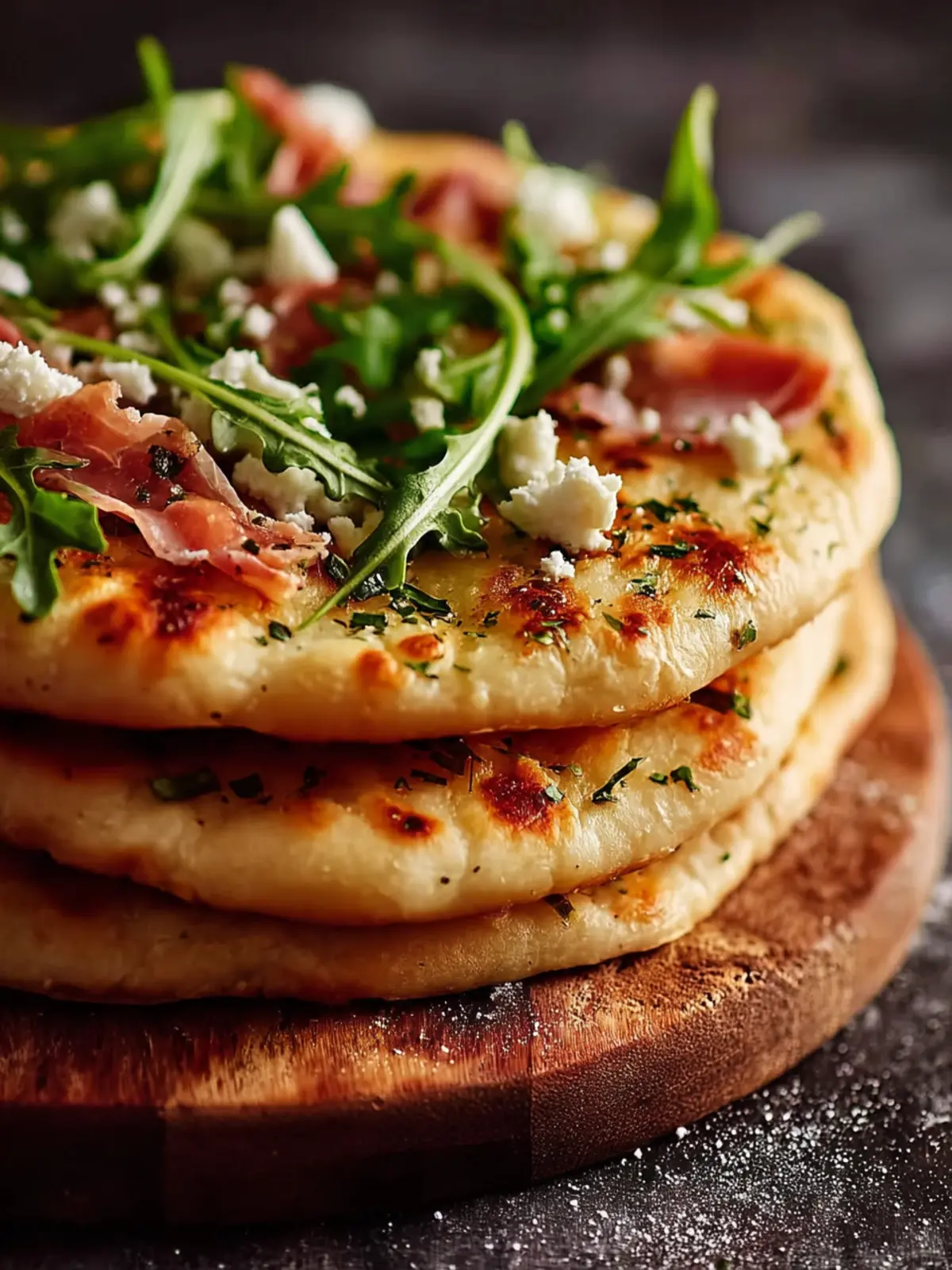
Serving Suggestions for Flatbread
Flatbread, with its versatile nature and delightful texture, is not only a cornerstone of many cuisines but also a blank canvas for creativity. Whether you’re preparing for a casual gathering or a cozy night in, the possibilities are endless!
Pairing with Dips and Spreads
One of the best ways to enjoy your flatbread recipe is by serving it with an array of dips and spreads. Hummus, tzatziki, or a spicy baba ganoush can elevate your flatbread from simple to sensational. Consider adding a drizzle of olive oil and a sprinkle of spices like za’atar or paprika for an extra flavor boost.
Use as a Side for Soups and Salads
Flatbread makes a delightful complement to soups and salads. Serve warm pieces alongside a hearty tomato basil soup or use it to scoop up a fresh Greek salad. It adds a comforting element that balances out the meal perfectly.
Making Mini Pizzas or Wraps
Feeling adventurous? Use your flatbread recipe to create delicious mini pizzas or wraps. Top with tomato sauce, cheese, and your favorite toppings for a quick and fun meal. For wraps, fill the flatbread with grilled vegetables, meats, or fresh herbs for a tasty on-the-go option.
Time Breakdown for Flatbread Recipe
Understanding the time it takes to prepare your flatbread recipe can make all the difference in a busy weeknight. Having freshly baked flatbread ready can turn a simple meal into something special. Here’s a quick breakdown of the time involved:
Preparation time
Expect around 15 minutes to gather and mix your ingredients. This is your chance to create the perfect dough by combining flour, water, salt, and any optional seasonings you fancy.
Rising time
Once your dough is mixed, let it rise for about 1 hour. This crucial step allows the yeast to work its magic, developing flavors and texture.
Cooking time
Cooking each flatbread takes approximately 3-4 minutes. If you’re making several, factor in a bit more time for each round on the stovetop.
Total time
In total, you’re looking at about 1 hour and 15 minutes from start to finish. It’s totally worth the wait for that warm, homemade flatbread aroma that fills your kitchen!
Nutritional Facts for Flatbread
When you dive into our flatbread recipe, you’re not just indulging in delicious flavors; you’re also getting a nutritious bite. This simple bread is versatile and light, making it a great companion for various meals. Let’s break down the nutritional facts to see what you’re really enjoying.
Calories
A single serving of homemade flatbread contains approximately 100-120 calories. This makes it an excellent option for those watching their caloric intake while still craving something satisfying.
Carbohydrates
Flatbread provides a hearty dose of carbohydrates, averaging around 20-25 grams per serving. These carbs are great for a quick energy boost, particularly if you’re pairing them with proteins or vegetables.
Protein
While the protein content in flatbread is modest, typically around 3-5 grams per serving, you can easily enhance it by pairing it with ingredients like hummus, yogurt, or lean meats.
Sodium
Homemade flatbread allows you to control the sodium levels—generally, it’s around 200-300 mg per serving. This is an excellent way to enjoy your meal without overloading on salt, especially compared to many store-bought options.
Understanding the nutritional facts can help you appreciate the flatbread recipe even more, as it melds health and taste beautifully.
FAQs about Flatbread Recipe
When embarking on your flatbread recipe adventure, some questions often pop up, especially for novice bakers. Here are some insights that can help ensure your flatbread turns out perfectly every time.
Instant Yeast vs. Active Dry Yeast
Using instant yeast instead of active dry yeast in your flatbread recipe is absolutely fine. Instant yeast doesn’t require proofing, which means you can mix it directly with your dry ingredients. This can save you some time! If you’re using instant yeast, use about 25% less than the amount called for in the recipe if it’s for active dry yeast.
Storing Leftover Flatbread
If you happen to have any leftover flatbread, storing it properly helps maintain its texture and flavor. Wrap the flatbread in plastic wrap or aluminum foil and place it in an airtight container. Keeping it at room temperature for 2-3 days is ideal. For longer storage, consider putting it in the fridge, but note that refrigeration can make it less tender.
Common Mistakes to Avoid
To achieve the best results with your flatbread recipe, keep these mistakes in mind:
- Using cold ingredients: Ensure your water is warm and your flour is at room temperature to promote yeast activity.
- Over-kneading: Knead just until the dough is smooth. Overworking it can lead to tough flatbread.
- Not heating the cooking surface: Preheat your skillet or oven to the proper temperature to get that beautiful golden-brown finish.
Freezing Flatbread for Later
Absolutely! Freezing flatbread is a smart way to enjoy it later. Once cooled, stack the flatbreads with parchment paper between each one to prevent them from sticking together. Place the stack in a freezer-safe bag or container, and they can last up to three months. When you’re ready to eat, just thaw and reheat in a skillet or oven.
These tips will ensure your flatbread journey is as delightful as the savory creations you bring to the table!
Conclusion on Flatbread Recipe
Recap of why homemade flatbread is worth making
Creating your own flatbread brings joy that pre-packaged versions can’t match. The freshness of homemade dough, combined with the aroma wafting through your kitchen as it bakes, is unbeatable. Additionally, making it at home allows you to control every ingredient, ensuring quality and flavor.
Encouragement to experiment with flavors and uses
Don’t hesitate to play around with this flatbread recipe! Integrate your favorite herbs, cheeses, or spices to customize the taste. You can use it for savory wraps, delightful pizzas, or even as a side to your favorite soup.
Invitation to share experiences and feedback
I’d love to hear about your adventures with this flatbread recipe! Share your thoughts, variations, or even a picture of your creations in the comments below. Your experiences can inspire others to dive into their own baking journey!
Print
Fluffy Flatbreads
- Total Time: 30 minutes
- Yield: 10 flatbreads 1x
- Diet: Vegetarian
Description
Deliciously soft and fluffy flatbreads perfect for any meal.
Ingredients
Scale
- 1 cup lukewarm water (about 105˚F)
- 2 teaspoons active dry yeast
- 1 tablespoon sugar
- 0 cups plain yogurt
- 2 tablespoons olive oil
- 1 tablespoon salt
- 0 tablespoon dried basil
- 0 tablespoon dried oregano
- 1 teaspoon garlic powder
- 3 cups all-purpose flour
- 0 cups chopped fresh parsley
- 0 cups olive oil (for brushing)
Instructions
- In a large mixing bowl, whisk together the lukewarm water, yeast, and sugar. Let it sit for 8 to 10 minutes, or until foamy.
- Whisk in the yogurt, olive oil, salt, dried basil, oregano, and garlic powder.
- Add in all-purpose flour and chopped parsley, mixing with a wooden spoon until the dough begins to come together.
- Generously sprinkle flour on your counter, then turn the dough onto it. Knead for about 4 minutes, sprinkling more flour if sticky.
- Divide the dough into 10 equal pieces, shaping each into a small ball.
- Dust the dough balls lightly with flour and cover them with a kitchen towel. Let them stand for 15 minutes.
- Heat a frying pan over medium-low heat.
- Take a dough ball and roll it out into a 7-inch circle, brushing the top with olive oil before cooking.
- Place the rolled-out dough, oiled side down, in the hot pan. Cook for about 1½ minutes or until bubbles appear.
- Brush the top with olive oil while cooking.
- Flip the flatbread over and cook for another minute or until golden brown. Transfer it to a plate and keep it warm by covering with a kitchen towel.
- Repeat for the remaining dough balls.
- Enjoy the flatbreads warm or cold as a delightful accompaniment to any meal.
Notes
- Fresh basil can be substituted for dried basil.
- For a richer taste, melted butter can be used for brushing instead of olive oil.
- Prep Time: 10 minutes
- Cook Time: 20 minutes
- Category: Bread
- Method: Stovetop
- Cuisine: Mediterranean
Nutrition
- Serving Size: 1 flatbread
- Calories: 120
- Sugar: 0
- Sodium: 200
- Fat: 5
- Saturated Fat: 1
- Unsaturated Fat: 4
- Trans Fat: 0
- Carbohydrates: 18
- Fiber: 1
- Protein: 3
- Cholesterol: 0